
“When the Chains Began to Sing”
The poem is a powerful metaphorical journey from silence and oppression to freedom and self-expression. It begins with the speaker describing how fear and silence once defined their existence, suppressing their voice and identity. Over time, however, a quiet inner awakening begins—like rain remembering its name—and their body and voice slowly reclaim power. Rather than breaking the chains of oppression, the speaker outgrows them, blossoming with strength and resilience. Freedom arrives not through violence but through a deeply personal transformation—a song of identity restored. The poem ends with bold defiance, as the speaker refuses to ever return to silence.

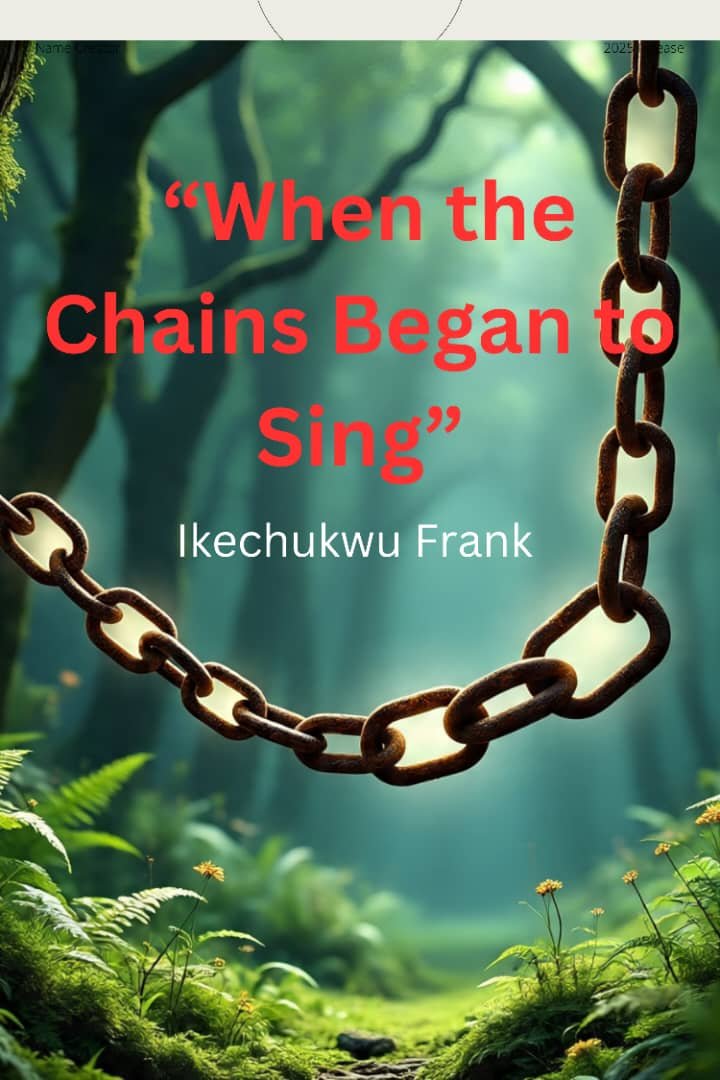
“When the Chains Began to Sing”
> I wore silence like second skin—
it fit too well.
My tongue knew the taste of fear
long before my lips ever kissed liberty.
I was a room without windows,
a river forgetting it could run.
My breath knelt
to the daily ritual of not being.
But the day came,
like rain remembering its name.
A whisper rose—
louder than any shout.
My feet, once faithful to the floor,
rebelled into rhythm.
My voice, once buried in borrowed shame,
climbed the throat of thunder.
I did not break the chains.
I outgrew them.
I bloomed in defiance
like a tree sprouting from concrete.
Freedom came
not as a war—but a song.
The melody of self returning
to the body it forgot.
And now,
I wear my name without apology.
I speak
even when they flinch.
I dance
because the shackles still watch,
hoping I’ll return to the hush.
But I’ve tasted sunlight—
and I will not kneel to shadows again.
The woŕds: "I did not break the chain, I outgrew them", show growth. Your perspective of Freedom is very similar to Bill's. In fact, while Bill was expressing his personal experiences in his poem, yours was like you shared his emotion- a shared wavelength of thoughts or something.
The final line seals it- the decision to never return to the shackles outgrown.
A very beautiful piece.