
What to Expect Financially When Considering Eye Surgery
Discover the financial aspects of eye surgery, including costs, insurance, financing options, and long-term benefits for LASIK, cataract, and glaucoma surgery.

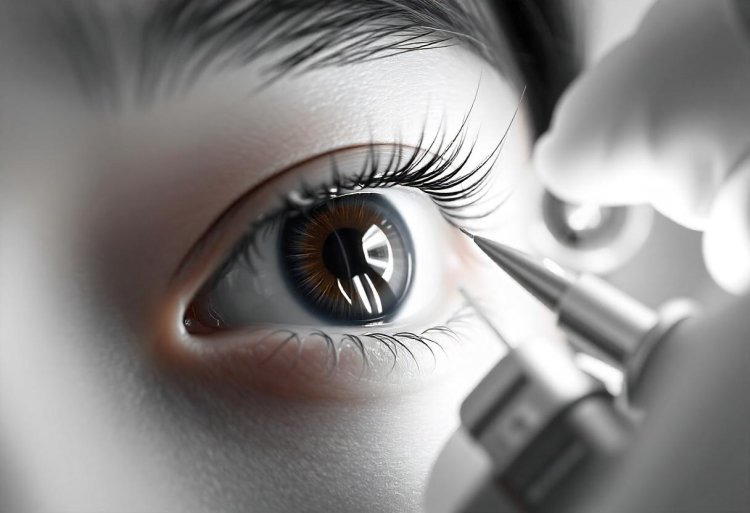
It is an eye surgery decision that can be life-altering in the context of better vision, as well as the impact of financial consequences attached with it. Be it LASIK or cataract surgery or any other corrections in the eye, knowing the cost factor will be the decisive point in making a more informed decision. The upcoming article will walk you through various facets as regards the cost implications of eye surgeries and how to prepare better for it.
Key Points
- Different types of eye surgery and the prices they command.
- Factors determining the cost of eye surgery
- Insurance coverage and financing options
- Long-term economic benefits of eye surgery
- Costs to consider
- Frequently asked questions on the cost of eye surgery
Types of Eye Surgery and Their Price Ranges
Eye surgery varies as a function of the type of procedure, its complexity, and thus cost. Some of the most common types of eye surgeries and their respective price ranges include the following:
LASIK
Lasik is one of the most popular types of eye surgery and well known for the relatively fast recovery time and high-drama visual improvement. The average for this medical procedure would fall between $2,000 to $3,000 per eye depending on the technology used and experience of the surgeon. You can use a search term such as lasik surgery cost near me for an estimate closer to your location.
Cataract Surgery
This is an operation where the natural, clear lens which may have gotten cloudy from inside the eye is removed and it is replaced by a synthetic lens. This varies with the type of lens used and procedure involved. It may cost $3,000 to $5,000 in one eye.
Glaucoma Surgery
It will lower the pressure inside the eye so as not to damage the optic nerve. This may vary considerably and would depend on the procedures; it may be as low as laser treatment to more massive ones. It typically costs within the range of $1,000 to $2,500.
Factors Affecting Cost of Eye Surgery
The following factors could potentially affect the cost of the eye surgery:
- Location: The prices might differ depending on where the surgery will take place.
- Type of Surgery: More expensive procedures or new technologies also cost more.
- Skill and Expertise of Surgeon: Using a highly experienced surgeon-or even a surgeon who has acquired some speciality skill-will increase the cost.
- Facility Charges: Finally, adding in the charges for the facility can also increase your cost.
Insurance and Financing Options
Most patients care about whether their insurance will cover eye surgery. Here is what you should know:
- Medical Insurance: Most medical insurance companies cover cataract surgery and other medically indicated procedures, but they may not cover any elective surgeries like LASIK.
- Vision Insurance: Certain vision insurance companies might offer to lower the cost of certain procedures like LASIK.
- Repayment plans: Most surgical centers have repayment plans. Patients can hence pay for their surgery in installments over time.
Long-term Monetary advantages of eye surgery
Though the initial costs of eye surgery are a bit high, one must remember that it saves on an economical scale for the long run too. Good eyesight will save the money related to ophthalmic glasses and contact lenses and not to mention an overall hike in the quality of life and productivity.
Other Expenditure To Take Account
While formulating expenditure plans related to eye surgery, one needs to make considerations as to take into account:
- Preoperative Consultation: some doctors will charge the cost of the first consultation to you
- Drug post operation: drugs have to be purchased during this time
- Follow-up visits: some are already paid for under the surgery costs while others depending on the consultant have to pay.
Most Frequently Asked Questions
Does eye surgery fall under taxation?
Yes, if it exceeds a percent of your adjusted gross income and only if you itemize your deductions
Can I use my HSA or FSA for eye surgery?
Yes, for eligible eye surgeries such as LASIK, you can use your Health Savings Account (HSA) or Flexible Spending Account (FSA)
How successful is LASIK?
LASIK surgery has an exceptionally high success rate; most of the patients gain 20/25 vision or better.
It should also be considered that from the financial side, a proper decision has to be made. From one perspective, this includes what type of surgeries may be available and, more importantly, the factors that determine the cost of each surgery, and then what type of insurance coverage may be available or long-run benefits to help get you set up with a capital investment in eye health.

Comments