
Is Male Infertility a Growing Issue?
Hormonal imbalance, genetic problems, and infections are also highly contributory factors.

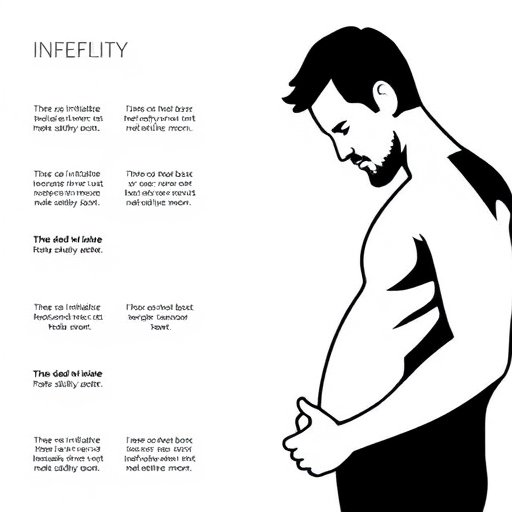
Male infertility is a serious issue in the world today, affecting millions of men worldwide. It is the inability to conceive a child due to male factors, which are affected by numerous physiological, environmental, and lifestyle elements. This has sparked a critical debate and research into male infertility, revealing its impact on relationships and emotional well-being. It varies from declining sperm quality to hormonal imbalances, hence a multifaceted issue contributing to male infertility, which becomes an issue of both personal and public health importance.
1. Understanding Male Infertility
Male factor infertility is a complex medical condition, with numerous causes. It is usually diagnosed when a couple fails to conceive after a year of regular, unprotected intercourse, and testing finds male-related factors as the predominant cause. Production and quality of sperms are important considerations; low concentration, poor motility, or morphological abnormalities can impede conception.
Hormonal imbalance, genetic problems, and infections are also highly contributory factors. Damage to the testis or blockages in the male reproductive tract may obstruct sperm transport and hence make conception a bit more complicated. Medical treatment and assisted reproductive technologies (ART) provide much hope, but knowledge of the causes is the only way toward effective management. For some males, treatments like Kamagra Jelly indirectly enhance their confidence and performance, though these drugs do not cure infertility.
2. Environmental and Lifestyle Factors
Modern lifestyles have introduced numerous challenges to male reproductive health. Environmental pollutants, such as heavy metals and endocrine-disrupting chemicals, are known to affect sperm quality adversely. Lifestyle habits like smoking, excessive alcohol consumption, and a sedentary routine exacerbate the risk of infertility.
Obesity is another emerging issue that has been associated with male infertility. Overweight is related to hormonal imbalances, which include low levels of testosterone, which is essential for sperm production. Chronic stress and poor mental health also cause oxidative stress in the body, which destroys sperm cells. Healthy habits and minimizing exposure to harmful substances can significantly reduce these risks.
3. Effects of Age and Medical Conditions
Although age-related fertility decline is more common in women, men are not completely exempt. The advancing age can lead to a gradual decline in sperm quality and an increased likelihood of DNA damage in sperm. This, in turn, may increase the risk of pregnancy complications and developmental issues in offspring.
Chronic medical conditions like diabetes, hypertension, and sexually transmitted infections also have a significant role in male infertility. These may damage the reproductive organs, impair sperm production, or disrupt hormonal balance. Getting medical advice early and managing other health issues are crucial steps to preserving fertility. In some cases, performance-related issues can be treated with drugs like Buy Super Kamagra Tablets, which will enhance confidence, thus positively impacting overall reproductive health.
4. Technological Improvements in Diagnosis and Treatment
Modern medical technology has significantly brought male infertility into the clinically relevant laboratory space. Genetic testing, imaging studies, and comprehensive semen analysis can find out specific problems and lead to individualized treatments. Reproductive technologies such as ICSI and IVF now provide couples facing significant fertility problems with hope.
In addition to this, specific causes of male infertility can be treated through hormonal therapies and surgical interventions. Furthermore, a well-balanced diet and regular exercise also enhance treatment outcomes. While these advances present an effective solution, increased awareness and decreased stigma regarding male infertility can promote prompt action by men in this regard.
5. Social and Emotional Dimensions of Male Infertility
Male infertility is not a purely physical condition but is accompanied by strong social and emotional connotations. Inability to conceive leads to feelings of inadequacy, guilt, and frustration, putting pressure on the relationship and negatively impacting mental health. Societal expectations and cultural stigmas add to the psychological burden of the problem and make it harder for men to speak about it.
Counseling and support groups help address the psychological aspect of male infertility. When a man is given a chance to express himself, he develops a better approach to dealing with his condition. It helps them develop better well-being. Therefore, it's very important to talk openly about reproductive health, as it would help break the silence on the issue.
6. Prevention and Management of Male Infertility
The predisposition to male infertility can be prevented through awareness and proactive measures. Regular health check-ups, a nutritious diet, and maintaining an active lifestyle can help significantly improve reproductive health. Similarly, avoiding unhealthy habits such as smoking and excessive alcohol consumption are equally essential, along with minimizing exposure to environmental toxins.
For those who have already experienced infertility, seeking a medical opinion earlier can make all the difference. A multidisciplinary approach-a combination of treatment and lifestyle adjustments-provides the best chance for success. In addition to treating related issues such as Kamagra Jelly or other medications, this is where intervention is needed.


Comments