
Exploring the Science Behind Eye Pigmentation
light green eyes,

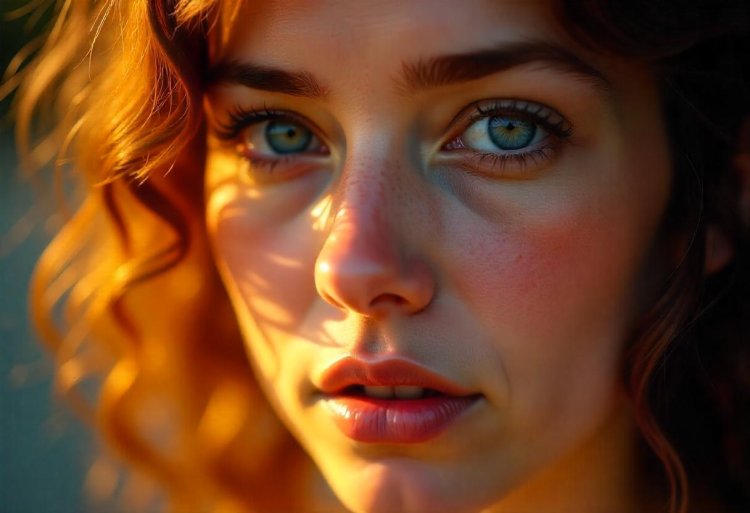
Eye color is one of the most eye-catching features of human appearance, with deep browns, striking blues, vibrant greens, and rarely grays. The science of eye pigmentation is fascinating as well as highly replete with genetic, evolutionary, and biological details that are helpful in describing the variety present in human eyes around the globe.
Key points:
The biological basis of eye color and genetic determination.
Factors determining differences in eye color like light green eyes, among others.
Evolutionary explanations for the prevalence of different eye colors.
Popular myths and misconceptions surrounding eye pigmentation.
The Biology of Eye Color
The human eye is mainly colored by the type and quantity of melanin found in the iris. The following discussion considers the genetic determinants and physiological factors of eye pigmentation.
Genetics of Eye Color
Eye color is a polygenic trait, meaning it is determined by more than one gene, primarily OCA2 and HERC2 on chromosome 15. These genes interact in complex ways to determine the specific amount and type of melanin in the iris. Variations in these genes lead to different eye colors across the human population.
Melanin and Eye Color
Melanin is available in two types: eumelanin (dark brown melanin) and pheomelanin (light reddish-yellow melanin). The proportion and concentration of these melanins in the iris determine the spectrum of eye color. For example, a high concentration of eumelanin results in brown eyes, whereas a lower concentration might result in blue eyes.
Factors Influencing Eye Color Variation
Even though genetics contribute significantly to eye color, changes or variations can be influenced by other factors. This section explores a few of these influences such that environmental influences, physiological influences, and others can be recognized.
Environmental Influence
Although the effect of the environment on eye color is very minimal, it has been established that overextended exposure to sunlight changes the pigment density in the iris. However, such changes are usually not extreme enough to cause a noticeable change in eye color.
Changes With Age
It is common for eye color to change slightly with age. For example, many Caucasian babies are born with light-colored eyes due to a lack of melanin, which may darken as they grow older when melanin production increases.
Evolutionary Perspectives on Eye Color
This traces to ancestral genetics and evolutionary adaptations the distribution of eye colors in different geographical locations. This section discusses how eye color might have availed people with some benefits depending on geographical and environmental conditions.
Adaptation and Natural Selection
Some scientists believe that lighter eye colors, such as blue or green, developed as an adaptation to the lower light conditions of northern latitudes. This adaptation could have helped people living in those areas to see better in areas with less intense sunlight.
Myths Debunked About Eye Color
Some prevailing myths surround eye color, like this one: that it could supposedly tell personality types or how fussy someone is, or even change drastically with mood. This section will dispel these myths based on scientific evidence.
Eye Color and Personality
There is no scientific basis for the belief that eye color tells a person's personality or behavior. Personality is immensely multifaceted and works both as a matter of genetics and the environment, not by eye color.
Eye Color and Health
Some studies have looked at the relationship between eye color and health conditions, but eye color itself does not cause health issues. However, lighter eyes may be more sensitive to light because of the lower pigment concentration, which can increase susceptibility to UV rays.
Frequently Asked Questions About Eye Pigmentation
Can eye color change over time?
Yes, but significant changes are rare and typically occur during childhood due to increased melanin production.
Are eye colors linked to genetic conditions?
Certain genetic conditions like Waardenburg syndrome can affect eye color, often resulting in heterochromia (two different colored eyes).
It is possible to predict the eye color of a baby. Genetics can give clues, but predicting the exact eye color is impossible because this is a polygenic trait.



Comments