
A Complete Guide to Healing Pulled Back Muscle Injuries
Discover a comprehensive guide to managing and recovering from pulled back muscle injuries. Learn about symptoms, immediate care, rehabilitation exercises, pain management, and preventive measures to ensure effective healing and avoid future injuries.

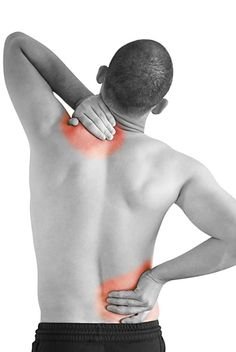
Pulled back muscles can significantly impact daily activities, causing pain and discomfort. Healing these injuries requires immediate care, progressive rehabilitation, and preventive measures to avoid recurrence. This guide provides a detailed approach to managing and recovering from back muscle injuries effectively.
1. Identify Symptoms of a Pulled Back Muscle
Recognizing the signs of pulled back muscle pain is the first step in addressing the injury. Common symptoms include:
-
Sudden or persistent back pain.
-
Muscle stiffness or difficulty moving.
-
Swelling, redness, or visible bruising.
-
Muscle spasms or tightness.
-
Reduced range of motion or difficulty standing upright.
Consult a healthcare professional if the pain is severe, or if symptoms persist for more than a week.
2. Administer Immediate R.I.C.E. Care
The R.I.C.E. method (Rest, Ice, Compression, Elevation) is critical for initial treatment:
-
Rest: Cease activities that strain your back to prevent further injury.
-
Ice: Apply an ice pack for 15-20 minutes every 2-3 hours to reduce swelling and numb the pain.
-
Compression: Wrap the affected area with a compression bandage to control swelling, ensuring it is not too tight.
-
Elevation: Lie down with your back supported by pillows to alleviate discomfort.
3. Transition to Heat Therapy After 48 Hours
After the initial swelling subsides, switch to heat therapy to improve blood circulation and relax the muscles. Use a heating pad or warm compress for 15-20 minutes several times daily.
4. Incorporate Gentle Stretches to Relieve Tension
Stretching improves flexibility and reduces stiffness. Begin with these safe and effective movements:
-
Child’s Pose: Extend your arms forward while sitting back on your heels to stretch the lower back.
-
Knee-to-Chest Stretch: Lie flat on your back and pull one knee toward your chest, holding it for 20 seconds.
-
Cat-Cow Stretch: Alternate between arching and rounding your back to increase mobility.
Perform these stretches gently, avoiding any sharp or severe pain.
5. Strengthen Your Back and Core Muscles
Strengthening exercises prevent future injuries by providing better support for your spine. Start with these low-impact options:
-
Plank Holds: Build core strength with proper alignment.
-
Bird-Dog Exercise: Extend one arm and the opposite leg while keeping your back flat.
-
Superman Pose: Lift your arms and legs off the floor while lying on your stomach to strengthen lower back muscles.
Gradually increase intensity as your back heals.
6. Manage Pain with Over-the-Counter Medications
Nonsteroidal anti-inflammatory drugs (NSAIDs), such as ibuprofen or acetaminophen, can help relieve pain and reduce inflammation. Follow the dosage instructions and consult a doctor if needed.
7. Maintain Proper Posture Throughout Recovery
Poor posture can strain your back and hinder recovery. Keep these tips in mind:
-
Sit upright with your back supported and feet flat on the ground.
-
Use ergonomic chairs to maintain the natural curve of your spine.
-
Avoid slouching or leaning forward excessively.
8. Stay Active with Low-Impact Exercises
Gentle exercises promote circulation and expedite recovery. Activities to consider include:
-
Walking: A simple yet effective way to maintain mobility.
-
Swimming: Provides resistance while reducing strain on the back.
-
Yoga: Enhances flexibility and strengthens supporting muscles.
Avoid high-impact exercises or heavy lifting until your back has fully recovered.
9. Adopt a Nutrient-Rich Diet for Recovery
Proper nutrition supports muscle healing and overall health. Include these key components in your diet:
-
Protein: Found in lean meats, fish, eggs, and plant-based sources to repair muscle tissue.
-
Anti-inflammatory Foods: Berries, leafy greens, and fatty fish reduce inflammation.
-
Hydration: Drink sufficient water to keep muscles hydrated and flexible.
10. Seek Professional Guidance When Necessary
Persistent or worsening pain may require professional intervention. Consider consulting:
-
Physical Therapists: Develop a personalized rehabilitation plan.
-
Chiropractors: Realign the spine to alleviate pressure and improve mobility.
-
Massage Therapists: Relieve muscle tension and stimulate circulation.
11. Utilize Supportive Tools Wisely
Temporary use of braces or lumbar supports can stabilize your back during the healing process. Avoid long-term reliance to ensure your muscles regain natural strength.
12. Optimize Sleep for Recovery
Quality sleep is essential for the body’s healing processes. Improve your sleep environment by:
-
Using a medium-firm mattress for optimal spinal alignment.
-
Placing a pillow under or between your knees for added support.
-
Avoiding stomach sleeping to minimize strain on the back and neck.
13. Incorporate Relaxation Techniques
Stress can exacerbate muscle tension and delay healing. Practice these relaxation methods:
-
Deep Breathing: Focus on slow, controlled breaths to reduce tension.
-
Meditation: Use mindfulness techniques to calm your mind and body.
-
Engage in Hobbies: Participate in activities you enjoy to alleviate stress.
14. Prevent Future Back Muscle Injuries
Taking preventive measures minimizes the likelihood of re-injury. Implement these practices:
-
Warm Up: Prepare your muscles with dynamic stretches before physical activities.
-
Lift Properly: Use your legs, not your back, to lift heavy objects.
-
Stay Active: Engage in regular exercise to strengthen your back and core.
-
Maintain a Healthy Weight: Reduce strain on your back by avoiding excess weight.
15. Monitor Your Recovery Progress
Track your recovery to understand what works best for you. Keep a journal to record symptoms, effective treatments, and milestones.
Conclusion
Healing pulled back muscle injuries requires a thoughtful approach, combining immediate care, progressive exercises, and preventive strategies. By following this comprehensive guide, you can reduce pain, promote recovery, and safeguard against future injuries. Always consult healthcare professionals when necessary and prioritize listening to your body throughout the process.



Comments